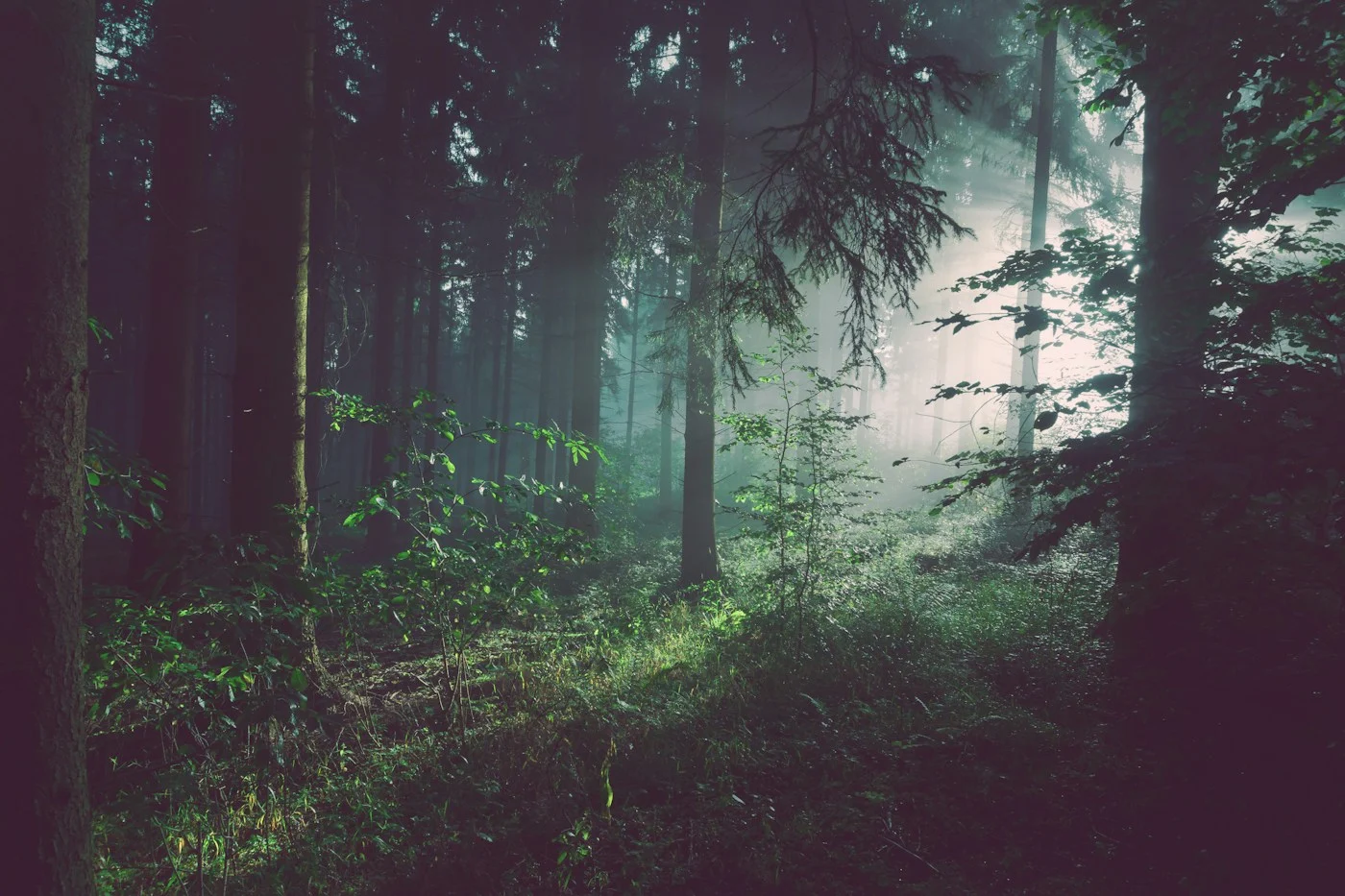
There’s a story on the trail.

scat identifierRead the signsleft behind.

You don’t have to see an animal to notice it. Explore the tracks, textures, and clues in a photo of what it left behind.

Investigate a trail sign

✓ Free account. 3 analyses a day. No app needed.

A quiet forest trail surrounded by trees and undergrowth
TRAIL RECORD / 001Observe closely. Leave it untouched.
A GOOD PLACE TO STARTA field notebook for the unseen.
ONE PHOTO. A LITTLE MORE UNDERSTANDING.Wildlife cluesHabitat contextPossible animals

01 / YOUR NEXT DISCOVERY

Start with what you noticed.

A clear photo. A few useful clues. Something new to learn.

Your animal-dropping photo

3 free / day

Photos are sent to OpenAI for analysis. We don’t store your uploads.

Daily allowance resets at midnight UTC.

02 / NOT COMPLICATED. JUST CURIOUS.

A small photo.
A new way of seeing.

01

Make yourself at home.

Create a free account with a username and password. Save the recovery code for later.

02

Share what you noticed.

Choose a sharp photo and add any details that might help. Your daily allowance is always visible.

03

Follow the clues.

Read the explanation, compare the possibilities, and keep learning. Save or download your text result.

READING THE TRAIL

Educational wildlife clues only. Do not handle or smell droppings. A photo cannot establish species certainty or biological safety.

A scat identifier for wildlife curiosity

Our scat identifier helps you explore possible animals behind droppings found outdoors. Upload a clear photograph and add the habitat, general region, and an estimate of size. The AI describes visible shape, texture, arrangement, and contents, then offers possible sources with uncertainty clearly explained.

Identify animal droppings by photo and context

Animal dropping identification works better when a photograph has context. Woodland, a garden lawn, a trail junction, and a roof space can suggest different possibilities. Note estimated dimensions without handling the material. Nearby tracks may be useful to mention, but a photograph rarely provides enough evidence for certainty on its own.

Why a scat identification can have several answers

Diet, weather, age, and camera perspective can change the appearance of animal feces. Different species can leave remarkably similar signs. A responsible AI scat identifier should offer alternatives and explain what distinguishes them, rather than claiming to prove a particular animal was present.

Look, photograph, and leave it alone

Use this free animal poop identifier as an educational field companion. Do not handle, smell, disturb, or test droppings to improve an identification. A photo cannot determine pathogen risk, diagnose a problem, or establish that an area is safe. Contact an appropriate wildlife or pest professional for a situation that needs action.

03 / GOOD QUESTIONS

A few things
you might wonder.

Can you identify raccoon, fox, or deer droppings?

The tool can suggest possible sources when visible features and location support them. Similar species, diet, and weathering can make a precise match impossible.

Should I pick up the droppings for a better photo?

No. Leave them undisturbed and photograph from a distance. Do not touch or smell them.

Can a photo tell me if droppings are safe?

No. An image cannot determine pathogen risk or whether cleanup is safe. Ask a qualified professional about cleanup or exposure.

THE JOURNAL

There’s always
more to discover.

Explore 150 guides, helpful comparisons, and answers for curious minds.

A LITTLE CURIOSITY STARTS HERE

Welcome back.

Sign in to use your free daily allowance.

3–24 letters, numbers, or underscores

No email needed. Save your recovery code when you sign up. Accounts are separate on each website.

KEEP THIS SOMEWHERE SAFE

Your account’s spare key.

This recovery code resets your password. We show it once; no email reset is available.